📋 Key Specifications
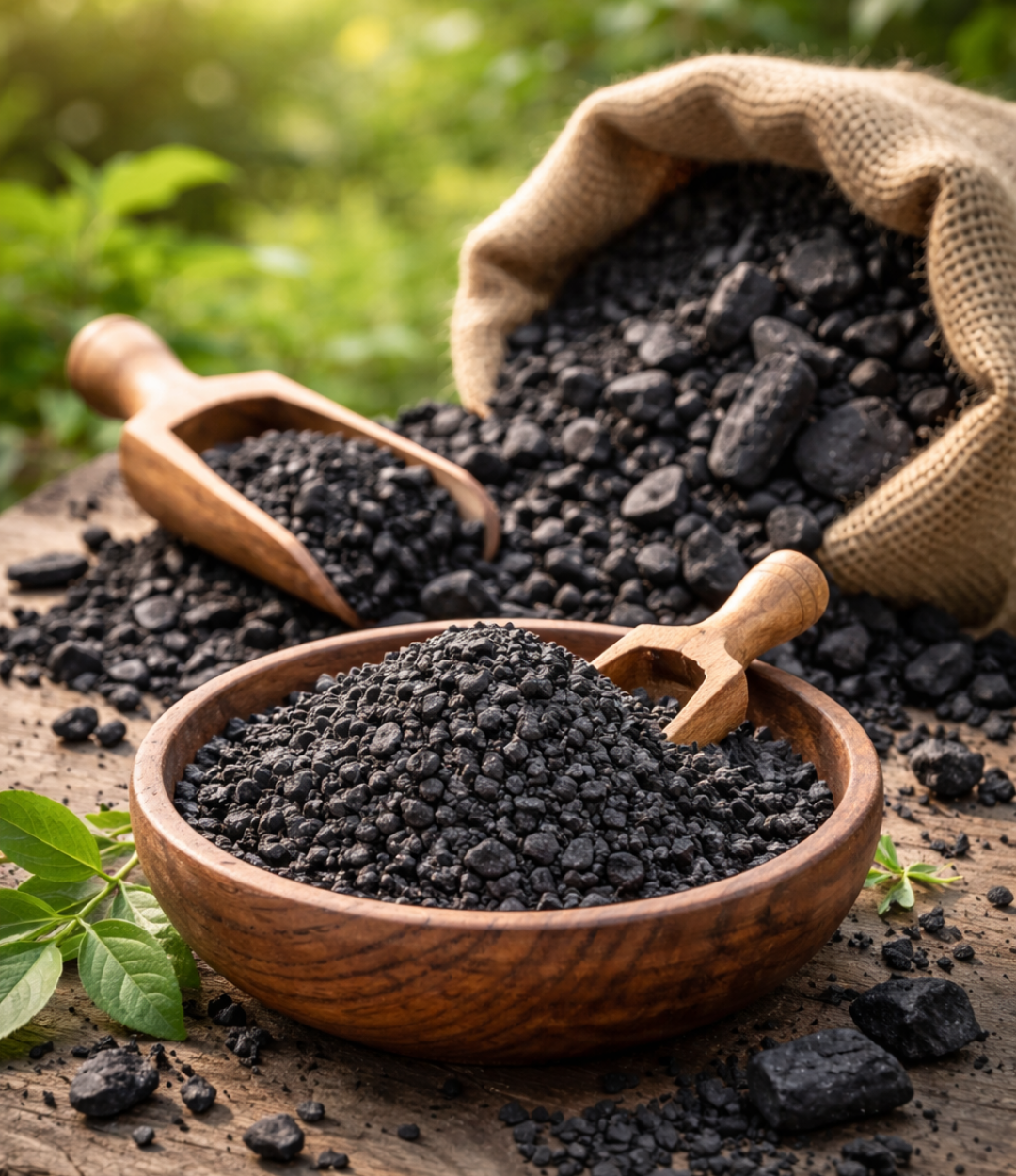
Fixed Carbon Content 70 – 85% BET Surface Area 200 – 400 m²/g pH 7.5 – 9.5 (alkaline) Moisture Content ≤ 15% Ash Content 5 – 15% Particle Size 0–5 mm (fine) | 5–20 mm (coarse) | custom Production Process Slow pyrolysis (400–700°C) Raw Material Wood, crop residues, mixed biomass Packaging 5 kg | 20 kg bags | 1 MT bulk bags Minimum Order 100 kg Certifications IBI / EBC standard compatibleBiochar listed on Urja Mitra is a stable, carbon-rich solid produced by the thermal decomposition of organic biomass in a low-oxygen environment — a process known as pyrolysis. Unlike regular charcoal, biochar is engineered specifically for its role as a soil amendment and carbon sequestration agent, with a highly porous microstructure and high surface area that makes it one of the most versatile bio-based materials available.
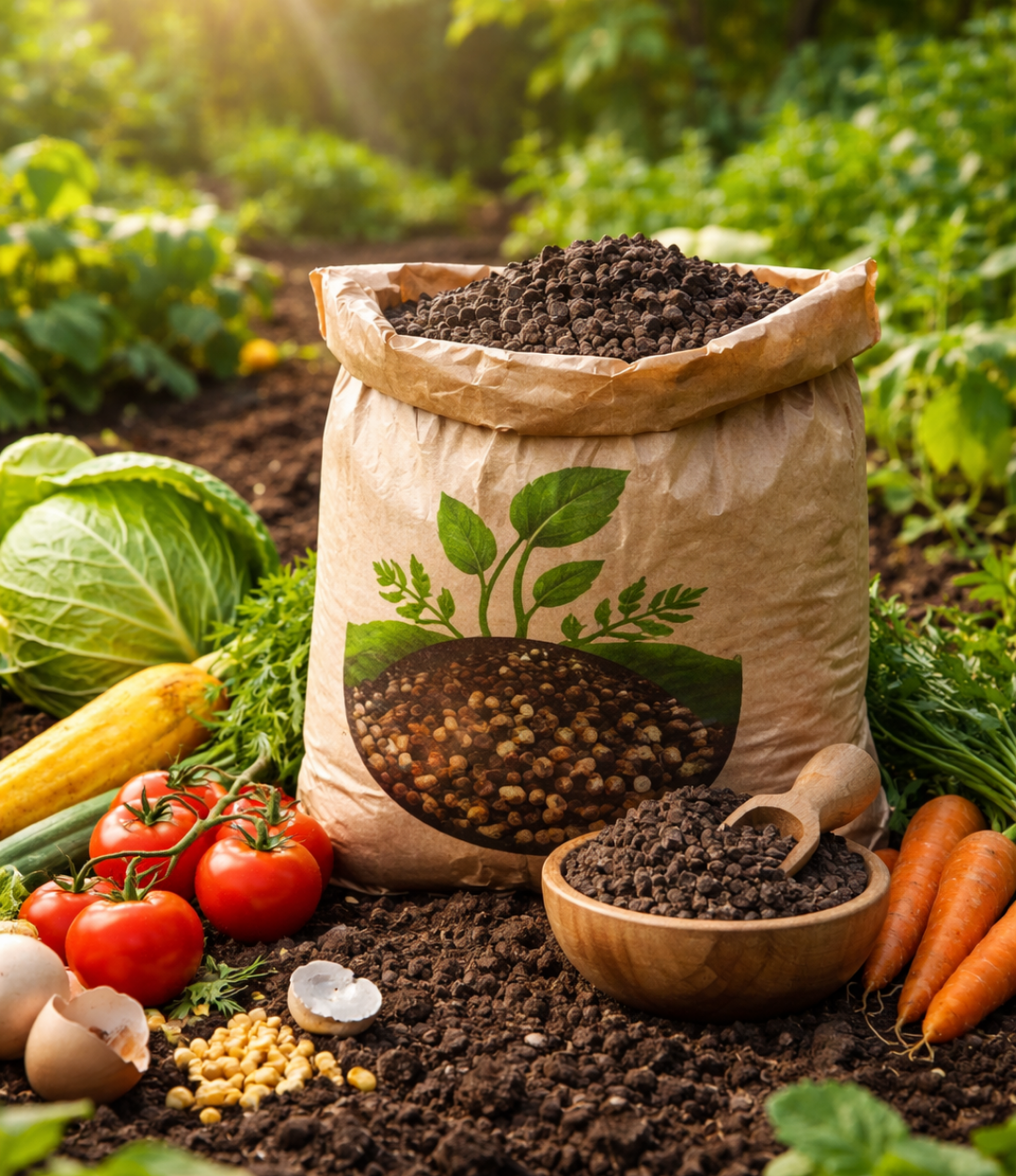
When applied to agricultural soils, biochar acts as a long-term carbon sink — with residence times of 100–1,000 years in the soil — while simultaneously improving soil structure, water retention, cation exchange capacity (CEC), and microbial activity. This makes it uniquely valuable in India’s context, particularly for degraded soils in rain-fed agricultural regions like Bundelkhand, Vidarbha, and Rajasthan.
Beyond agriculture, industrial-grade biochar from Urja Mitra finds application in water treatment (as an adsorbent for heavy metals and organic pollutants), air purification, livestock feed supplementation (carbon supplement), and as a conductive carbon material in certain electronics and battery applications.
Urja Mitra offers biochar under two categories: agricultural-grade (lower carbon, certified for soil use) and industrial-grade (high fixed carbon, for non-agricultural uses). Buyers can request customized particle size specifications, and bulk supply contracts are available for large-scale agricultural input distributors and industrial users.
🏭 Applications & Use Cases
✅ Key Benefits