📋 Key Specifications
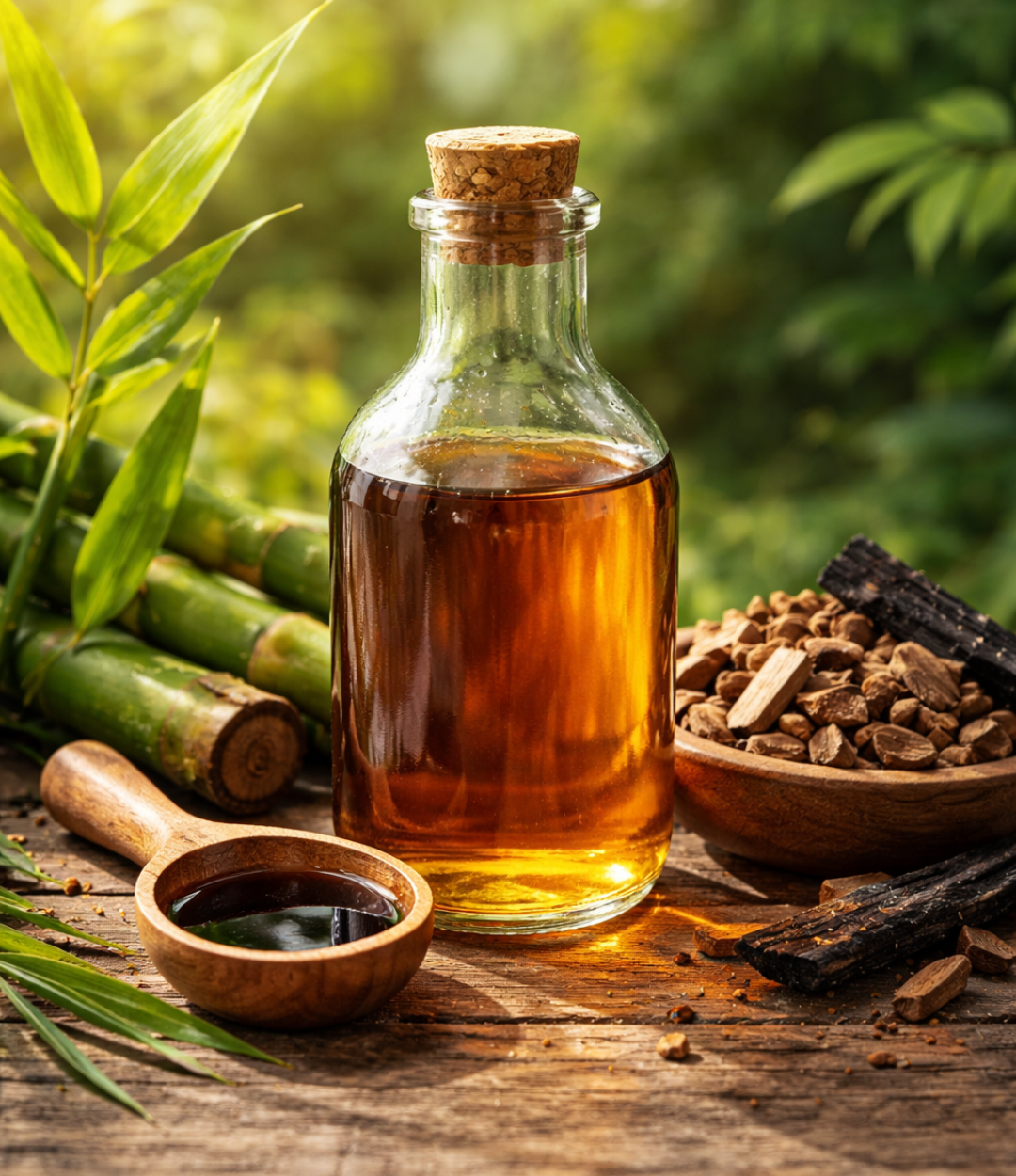
Type Pyroligneous Acid / Wood Vinegar Acetic Acid Content 4 – 8% pH 2.5 – 3.5 Specific Gravity 1.01 – 1.04 Color Light amber to dark brown Total Dissolved Solids Variable by batch Packaging 1 L | 5 L | 20 L | 200 L (drum) Minimum Order 20 Litres Shelf Life 24 months (sealed, away from light) Organic Compatibility Organic farming compatibleWood Vinegar, also known as Pyroligneous Acid, is a complex liquid by-product of the pyrolysis process — captured as condensate when biomass is thermally decomposed to produce biochar or charcoal. It contains over 200 bioactive compounds including acetic acid, methanol, ketones, phenols, and various organic acids that give it potent biological and agrochemical properties.
In agriculture, diluted wood vinegar (typically 1:200 to 1:500 ratio with water) is used as a soil conditioner to lower pH in alkaline soils, stimulate beneficial soil microbial activity, suppress soil-borne pathogens, improve root development, and accelerate composting. It is widely used in Japan, South Korea, Thailand, and China as an organic farming input, and is now gaining significant adoption among progressive farmers in India.
Wood Vinegar available through Urja Mitra is sourced from controlled slow-pyrolysis systems where the condensate collection and purification process ensures consistent quality. Each batch undergoes pH testing, acidity analysis, and odor profiling before dispatch.
As a biopesticide, foliar spray of diluted wood vinegar (1:100 to 1:300) has demonstrated efficacy against aphids, thrips, spider mites, and fungal diseases in crops — offering an affordable, organic-compatible alternative to chemical pesticides for horticulture and vegetable growers.
🏭 Applications & Use Cases
✅ Key Benefits